EN   DA   SV
To gain full access to our webshop, find our entire product range and see our prices, you need to be logged in.
Log in to your account here or sign up as a customer here.
We don't have products matching your search criteria in our local stock, so we included results from our external stocks.
Show all options
Show all options
Show all options
Show all options
Show all options

Transcend SSD 420S 480GB M.2 SATA-600

Transcend SSD 425S 2TB M.2 Serial ATA-600

Transcend SSD 430S 512GB M.2 SATA-600

Transcend SSD ESD240C 240GB M.2 USB 3.1 Gen 2

Transcend SSD ESD240C 480GB M.2 USB 3.1 Gen 2

Transcend SSD ESD260C 1TB USB 3.1 Gen 2

Transcend SSD ESD260C 250GB USB 3.1 Gen 2

Transcend SSD ESD265C 2TB

Transcend SSD ESD270C 1TB USB 3.1 Gen 2

Transcend SSD ESD270C 250GB USB 3.1 Gen 2

Transcend SSD ESD270C 2TB USB 3.1 Gen 2

Transcend SSD ESD270C 500GB USB 3.1 Gen 2

Transcend SSD ESD300C 1TB USB 3.2 Gen 2x1

Transcend SSD ESD300C 2TB USB 3.2 Gen 2x1

Transcend SSD ESD300C 512GB USB 3.2 Gen 2x1

Transcend SSD ESD300S 1TB USB 3.2 Gen 2x1

Transcend SSD ESD300S 2TB USB 3.2 Gen 2x1

Transcend SSD ESD310 1TB USB 3.2 Gen 2x1

Transcend SSD ESD310C 1TB USB 3.2 Gen 2x1

Transcend SSD ESD310C 2TB USB 3.2 Gen 2x1

Transcend SSD ESD310C 512GB USB 3.2 Gen 2x1

Transcend SSD ESD310P 1TB USB 3.2 Gen 2x1

Transcend SSD ESD310P 512GB USB 3.2 Gen 2x1

Transcend SSD ESD320A 2TB USB 3.2 Gen 2x1

Internal SSDs

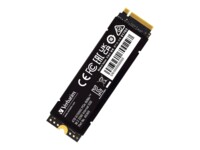
Internal SSDs are used as primary or secondary storage in desktops, workstations, and laptops where performance, stability, and compatibility are critical. The category includes solid state drives for both upgrades and new installations, delivering fast data access, low latency, and reliable operation.

Benefits for resellers

Internal SSDs are well suited for standardized configurations as well as targeted upgrades. A wide range of capacities, interfaces, and form factors makes it possible to support both legacy platforms and modern systems using consistent specifications, simplifying inventory management and compatibility decisions.

Key considerations in this category

  • Capacity: SSDs are available in multiple sizes – from smaller capacities for operating systems and basic installations to larger capacities for applications, databases, and extensive data storage.
  • Interface: The choice of interface directly affects performance and compatibility. SATA is commonly used in existing or older systems, while PCIe/NVMe delivers significantly higher speeds in modern hardware platforms.
  • Form factor: Internal SSDs are available in several form factors, including 2.5" and M.2 in various lengths. The form factor must match the motherboard, chassis, and thermal constraints.
  • Performance: Sequential read/write speeds and IOPS should be aligned with the workload – from standard office use to more demanding environments.
  • Compatibility: BIOS/UEFI support and PCIe generation are important factors when upgrading existing systems.

Brands in this category

Frequently asked questions

How do you choose the right capacity?

Capacity should be selected based on data volume, application requirements, and expected future growth.

Which interface is most relevant?

SATA is typically used in older systems, while PCIe/NVMe is preferred in newer platforms with higher performance requirements.

What does form factor mean for internal SSDs?

The form factor determines physical compatibility with the motherboard and chassis and must match system specifications.

Can internal SSDs be used for upgrades?

Yes, internal SSDs are commonly used for upgrades, provided the interface and form factor are supported.