EN   DA   SV
To gain full access to our webshop, find our entire product range and see our prices, you need to be logged in.
Log in to your account here or sign up as a customer here.
Show all options
Show all options
Show all options
Show all options

WD Red SA500 SSD WDS100T1R0A 1TB 2.5" Serial ATA-600

  • Product no 1002559617
  • Model WDS100T1R0A
  • Brand SanDisk
  • EAN 0718037872384

WD Red SN700 SSD WDS500G1R0C 500GB M.2 PCI Express 3.0 x4 (NVMe)

  • Product no 1003046809
  • Model WDS500G1R0C
  • Brand SanDisk
  • EAN 0718037891439

WD_BLACK SN770M SSD WDS100T3X0G 1TB M.2 PCI Express 4.0 x4 (NVMe)

  • Product no 1002559624
  • Model WDS100T3X0G
  • Brand SanDisk
  • EAN 0718037902951

WD_BLACK SN770M SSD WDS500G3X0G 500GB M.2 PCI Express 4.0 x4 (NVMe)

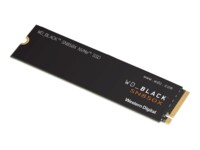
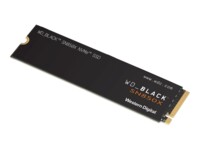
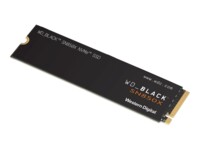
WD_BLACK SN850X NVMe SSD SSD WDS200T2X0E 2TB M.2 PCI Express 4.0 x4 (NVMe)

  • Product no 1002559625
  • Model WDS200T2X0E
  • Brand SanDisk
  • EAN 0718037891408

WD_BLACK SN850X NVMe SSD SSD WDS400T2X0E 4TB M.2 PCI Express 4.0 x4 (NVMe)

  • Product no 1002559633
  • Model WDS400T2X0E
  • Brand SanDisk
  • EAN 0718037891378

XPG GAMMIX Solid state-drev S55 512GB M.2 PCI Express 4.0 x4 (NVMe)

Internal SSDs

Internal SSDs are used as primary or secondary storage in desktops, workstations, and laptops where performance, stability, and compatibility are critical. The category includes solid state drives for both upgrades and new installations, delivering fast data access, low latency, and reliable operation.

Benefits for resellers

Internal SSDs are well suited for standardized configurations as well as targeted upgrades. A wide range of capacities, interfaces, and form factors makes it possible to support both legacy platforms and modern systems using consistent specifications, simplifying inventory management and compatibility decisions.

Key considerations in this category

  • Capacity: SSDs are available in multiple sizes – from smaller capacities for operating systems and basic installations to larger capacities for applications, databases, and extensive data storage.
  • Interface: The choice of interface directly affects performance and compatibility. SATA is commonly used in existing or older systems, while PCIe/NVMe delivers significantly higher speeds in modern hardware platforms.
  • Form factor: Internal SSDs are available in several form factors, including 2.5" and M.2 in various lengths. The form factor must match the motherboard, chassis, and thermal constraints.
  • Performance: Sequential read/write speeds and IOPS should be aligned with the workload – from standard office use to more demanding environments.
  • Compatibility: BIOS/UEFI support and PCIe generation are important factors when upgrading existing systems.

Brands in this category

Frequently asked questions

How do you choose the right capacity?

Capacity should be selected based on data volume, application requirements, and expected future growth.

Which interface is most relevant?

SATA is typically used in older systems, while PCIe/NVMe is preferred in newer platforms with higher performance requirements.

What does form factor mean for internal SSDs?

The form factor determines physical compatibility with the motherboard and chassis and must match system specifications.

Can internal SSDs be used for upgrades?

Yes, internal SSDs are commonly used for upgrades, provided the interface and form factor are supported.